






By using our website, you agree to the use of cookies as described in our Cookie Policy
How Corporate Shuttle Programs Work in DC Office Parks
DC office parks aren't exactly known for being transit-friendly. Most sit just far enough from Metro stations to make walking impractical, and parking lots fill up fast. That's where corporate shuttles come in. They're not glamorous, but they solve a real problem — getting employees from point A to point B without the headache of traffic, parking fees, or a twenty-minute hike in August heat.
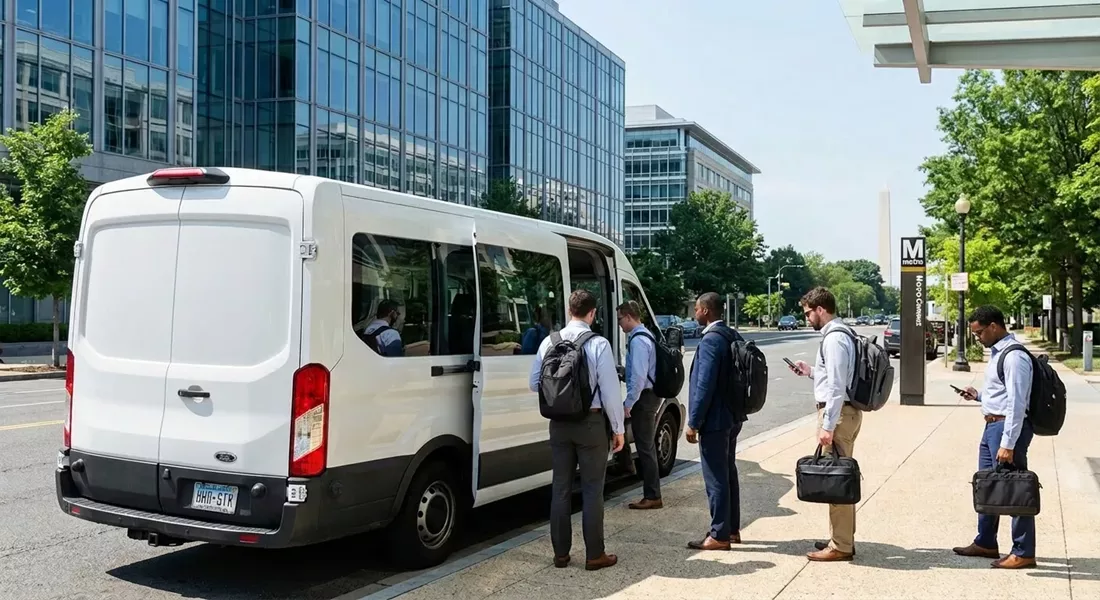
These programs aren't one-size-fits-all. Some companies run their own fleets. Others share routes with neighboring tenants. Either way, the goal is the same — bridge the gap between public transit and the front door, and do it reliably enough that people actually use it.
Two Ways Companies Set Up Shuttle Service
Not every office park runs shuttles the same way. The structure depends on who's footing the bill and how many employees need a ride. Larger corporations with deep pockets and concentrated headcounts often go solo. Smaller tenants in multi-building parks usually pool resources and share the load.
Both models work, but they come with different trade-offs. A single-company shuttle can tailor routes and timing to match shift schedules. A shared shuttle has to balance competing needs, which means more stops and less flexibility. The upside? Shared programs spread the cost across multiple tenants, making them viable even for smaller operations.
- Dedicated company shuttles: Built around one employer's schedule, with direct routes between Metro stops and the office entrance.
- Shared tenant shuttles: Coordinated by property management, serving multiple companies within the same park.
- Peak-hour focus: Most shuttles run during morning and evening rush, with limited midday service.
- Route customization: Based on employee surveys and ridership data to maximize efficiency.
- Flexible options: Some programs offer on-demand pickups within designated zones.
Real-Time Tracking Keeps Things Moving
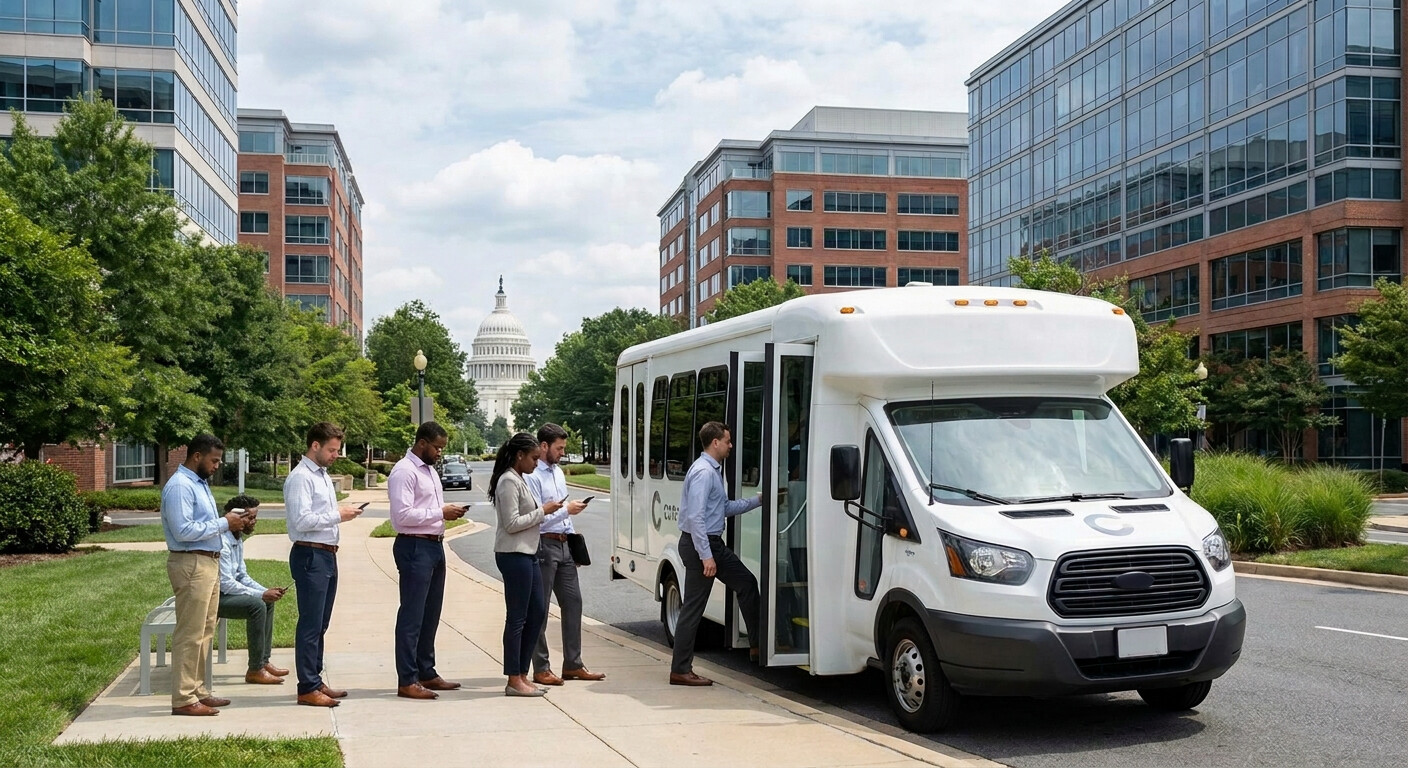
Nobody wants to stand outside guessing when the shuttle will show up. That's why most DC office park programs now use GPS tracking and mobile apps. Employees can see exactly where the shuttle is, how many minutes until arrival, and whether there's room on board.
This isn't just a convenience feature — it's what makes the service usable. When people know they can count on accurate timing, they're more likely to ditch their cars. And when ridership goes up, the program justifies its cost. It's a feedback loop that only works if the technology holds up.
Why Employers Actually Care About This
Shuttles aren't charity. Companies invest in them because they solve recruiting and retention problems. If your office park is a pain to reach, you're limiting your talent pool. If employees spend an hour stuck in traffic every day, they're going to burn out or look elsewhere.
A reliable shuttle program flips that script. It makes the job more accessible, reduces commuting stress, and signals that the company cares about quality of life. Plus, it checks the sustainability box — fewer cars on the road means lower emissions, which helps with green certifications and corporate transportation goals.
- Lower commuting costs: Employees save on gas, tolls, and parking fees.
- Reduced stress: No more navigating rush-hour traffic or hunting for parking spots.
- Improved accessibility: Opens up jobs to candidates who rely on public transit.
- Environmental impact: Fewer single-occupancy vehicles mean measurable emissions reductions.
- Recruitment edge: A strong shuttle program can be a deciding factor for top talent.
The Logistics Get Messy Fast
Running a shuttle program isn't as simple as buying a van and hiring a driver. Routes have to be planned around traffic patterns, Metro schedules, and employee shift times. Vehicles need maintenance. Drivers need training and background checks. And someone has to manage the budget, track ridership, and adjust service when things change.
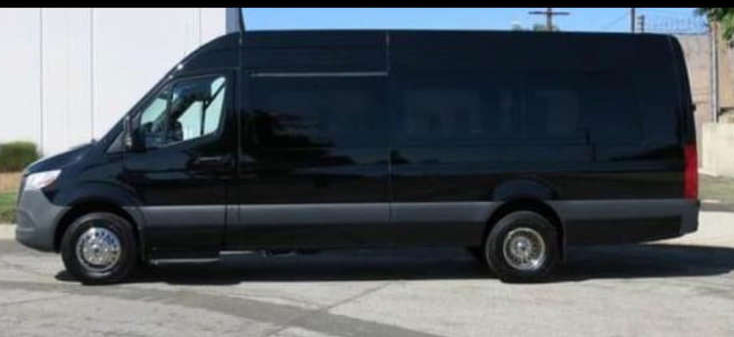
That's why most office parks outsource the operation to specialized transportation providers. These companies handle the day-to-day logistics, from vehicle procurement to compliance with local regulations. It's not cheap, but it's a lot more efficient than trying to manage it in-house.
- Route optimization: Balancing speed, coverage, and ridership demand.
- Vehicle maintenance: Keeping shuttles safe, clean, and on schedule.
- Driver management: Hiring, training, and retaining qualified operators.
- Regulatory compliance: Meeting DC's transportation and safety requirements.
- Cost control: Monitoring expenses and adjusting service levels to stay within budget.
What Happens When Ridership Drops
Hybrid work threw a wrench into shuttle planning. When half the office is remote on any given day, ridership becomes unpredictable. Some companies scaled back service. Others shifted to on-demand models or reduced frequency during off-peak hours.
The programs that survived are the ones that adapted. They used ridership data to identify which routes still had demand and cut the ones that didn't. They added flexibility where it made sense and doubled down on reliability where it mattered most. The lesson? A shuttle program only works if it evolves with the workforce.
- Data-driven adjustments: Using ridership trends to refine routes and schedules.
- On-demand options: Allowing employees to request pickups via app when fixed routes don't fit.
- Reduced frequency: Cutting service during low-demand periods to control costs.
- Pilot programs: Testing new routes or technologies before full rollout.
- Employee feedback loops: Regular surveys to understand changing commuting needs.
Electric Fleets Are Starting to Show Up
Some DC office parks are swapping out diesel shuttles for electric vehicles. The upfront cost is higher, but the long-term savings on fuel and maintenance add up. Plus, it's a visible commitment to sustainability that resonates with employees and tenants.
Electric shuttles also run quieter and produce zero tailpipe emissions, which matters in densely populated areas. As charging infrastructure improves and vehicle options expand, expect more office parks to make the switch. It's not just about being green — it's about staying competitive.
Shuttles Aren't Going Anywhere
Even with remote work reshaping the office landscape, corporate shuttles remain a practical solution for DC office parks. They solve a transportation gap that public transit alone can't fill, and they do it in a way that benefits employees, employers, and the environment. The programs that thrive will be the ones that stay flexible, use data to drive decisions, and keep the focus on what actually matters — getting people where they need to go without the hassle. Charter bus options provide scalable solutions for larger employee groups, while mini bus services work well for smaller teams. For companies looking to implement or improve their shuttle programs, benefits of using charter buses for corporate events demonstrate the value of professional transportation management.
Let’s Make Your Commute Work for You
We know how important a smooth, reliable shuttle program is for your team’s daily routine and your company’s success. If you’re ready to take the next step toward a more efficient, stress-free commute, let’s talk about how we can tailor a solution for your office park. Call us at 844-870-4517 or get your free quote and see how easy it can be to get your employees moving in the right direction.
‹ Back
Recent Posts
-

How Can Seniors Get Around DC Without a Car?
September 8, 2026
-
What Is the Best Transportation in Washington DC?
August 25, 2026
-
-
Which Luxury Bus Is Best?
July 28, 2026
-
How Much Does It Cost to Charter a Private Bus?
July 14, 2026